

Africa Strategic Consortium for Integrated Peace and Development
A New Paradigm for African Social Resilience
ASCIPD converts African Union social development and crime prevention policy into costed, governed portfolios that governments can implement and investors can finance.
Alignment
We do not write new rules; we deliver on the ones already made. By aligning every portfolio with the African Union’s ratified commitments, we turn political pledges into measurable assets. This deliberate discipline keeps us legible to the ministries who are accountable for these goals, and transparent to the investors who require a fixed standard before they act.
Africa at a crossroads
The continent holds the youngest population and the most complete social policy architecture of any region. The distance between the two is where this consortium works.
Policy is ratified; delivery is not financed
Continental instruments set clear obligations on child protection, disability inclusion and crime prevention. Costed national delivery structures rarely follow.Sectors are financed in isolation
Protection, relief, youth employment and financial inclusion are funded, reported and evaluated separately, though they describe one household's trajectory.Capital lacks an instrument
Investors willing to underwrite social conditions have no pooled vehicle with portfolio governance to enter at scale.Coordination cost falls on delivery
Organisations with reach spend their capacity on reporting to fragmented funders rather than on the work itself.
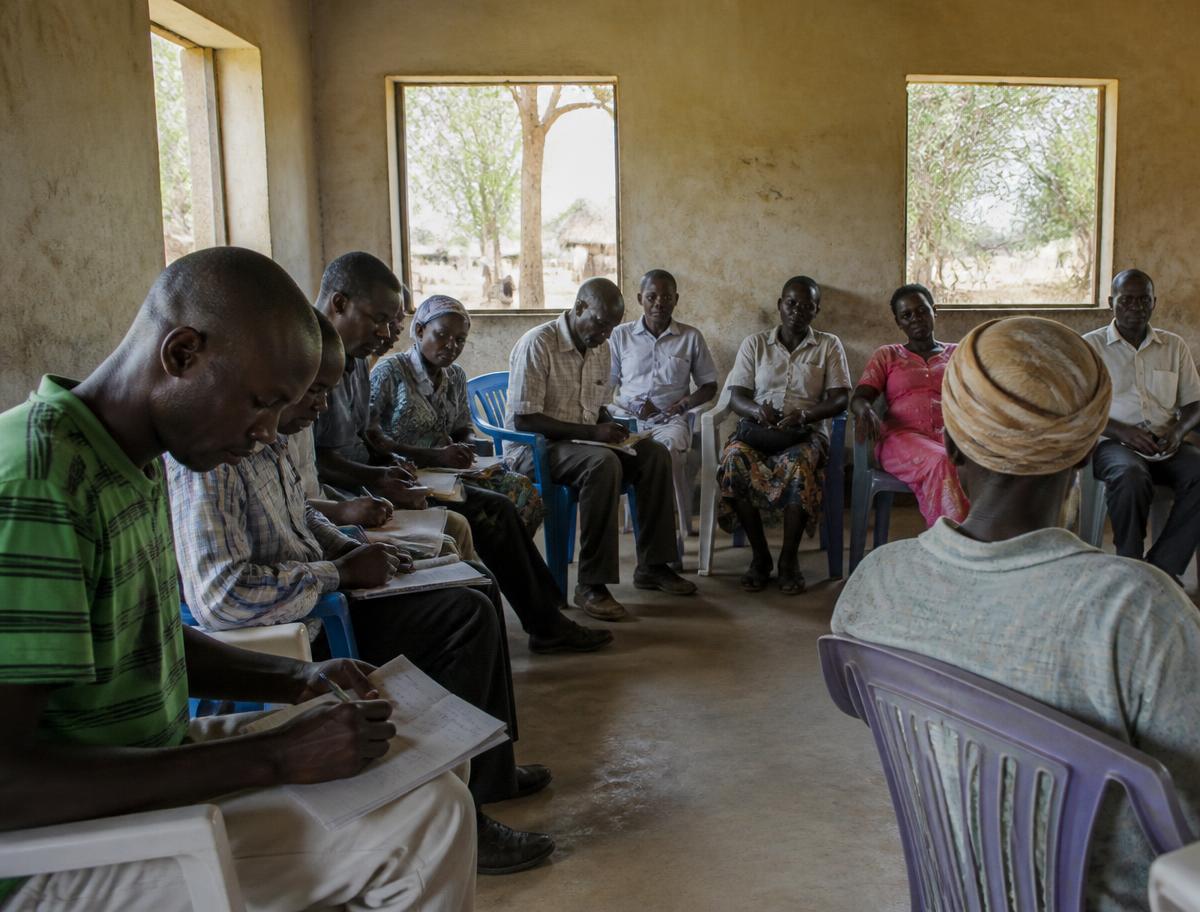
Unmet social protection becomes displacement, displacement becomes exclusion, and exclusion becomes the crime statistic that gets policed rather than prevented.
The gap
Commitment is not the constraint. Capacity is.
African Union member states have ratified an unusually complete set of social development commitments. What is missing between ratification and delivery is intermediary capacity: the work of costing a portfolio, structuring capital against it, governing it independently and reporting on it once rather than forty times.
ASCIPD exists to carry that function. It does not deliver programmes in competition with partners who already hold reach and standing — it structures the portfolio those partners deliver, and holds the governance and reporting obligations centrally.
Six pillars of integrated delivery
| Pillar | Focus | |
|---|---|---|
| 01Social Protection, Child Protection & Family Well-being | The foundational pillar. Community-based social protection, child protection, disability inclusion and the rights of older persons. | Read pillar |
| 02Humanitarian Relief & Social Welfare Support | Emergency response designed so that each intervention leaves a permanent social protection capability behind it. | Read pillar |
| 03Youth & Women's Empowerment for Social Cohesion & Crime Prevention | Exclusion is the mechanism; crime and harmful practice are the outcome. This pillar addresses the mechanism. | Read pillar |
| 04Economic Inclusion for Social Welfare & Crime Prevention | Growth that does not reach marginalised communities produces the exclusion the other pillars then have to absorb. | Read pillar |
| 05Philanthropic Capital Mobilization & High-Level Advocacy | A single pooled instrument, with the governance and advocacy capacity required to place it at continental level. | Read pillar |
| 06Leverage & Collaborative Networks | The coordination function that makes the other five pillars behave as one portfolio rather than five programmes. | Read pillar |
Pillar
Focus
Pillar
Focus
Pillar
Focus
Pillar
Focus
Pillar
Focus
Pillar
Focus
Investment thesis
The Social Development Premium
Every investor operating in a given geography already pays for its social deficit — through security cost, workforce instability, interrupted supply chains and the political risk premium attached to exclusion. That cost is absorbed rather than addressed.
The Social Development Premium is the case for financing the conditions directly, at portfolio level, through a pooled instrument with governance and consolidated reporting attached. Returns accrue as cost avoided and as an operating environment in which other investment becomes viable.
Three tracks for partnership
| Track | What you bring | What you receive |
|---|---|---|
| Government | Policy mandate, statutory delivery systems, and the authority to bring a portfolio to national scale. | Continental policy translated into costed, implementable portfolios with co-financing already structured. |
| Private-Impact Investors | Capital with a return requirement, structuring capability, and portfolio discipline. | A pooled instrument with portfolio-level governance, consolidated reporting, and a defined social development thesis. |
| Strategic Partners | Delivery reach, technical depth, faith-based and community networks, and sector expertise. | Coordinated deployment against a continental portfolio, with the coordination overhead carried centrally. |
Track
What you bring
What you receive
Track
What you bring
What you receive
Track
What you bring
What you receive
Partnership with the consortium shapes the architecture, not just its funding.