
Our work
Six pillars, designed as one portfolio
The six pillars are not separate programme areas. They are the components of a single approach to human security — protection, relief, dignity and opportunity — sequenced so that each one reduces the burden carried by the others.
Pillars one to four work directly with communities: safety, immediate relief, social cohesion, and the chance to build a livelihood. Pillars five and six exist so that the first four can be sustained and scaled across the continent.
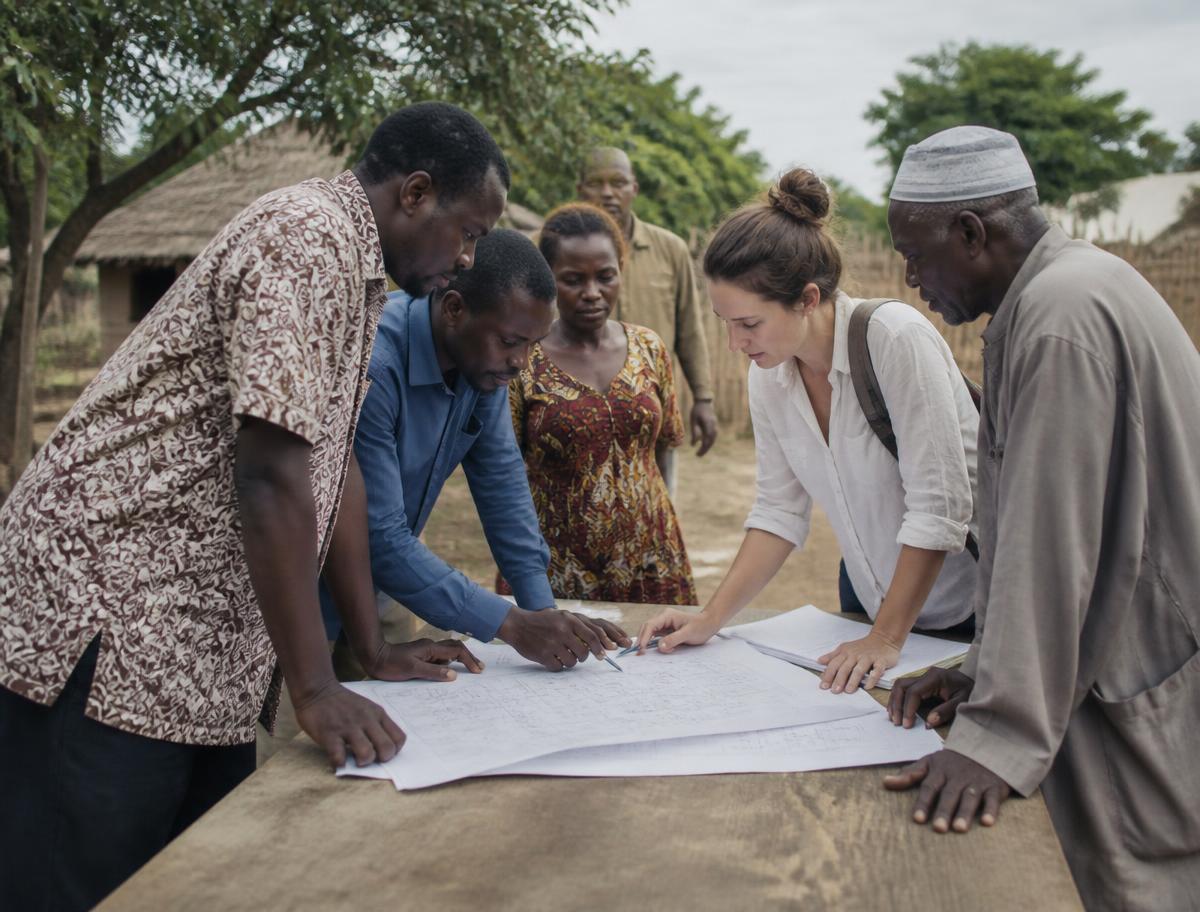
Delivered separately, these pillars keep answering the same crisis. Delivered together, they interrupt it.
The six pillars
| Pillar | Strategic objective | |
|---|---|---|
| 01Social Protection, Child Protection & Family Well-being | Strengthen community-based social protection systems, with specific emphasis on child protection, family well-being, disability inclusion, and the rights of older persons. | Pillar detail |
| 02Humanitarian Relief & Social Welfare Support | Deliver life-saving assistance while laying groundwork for sustainable social protection systems. | Pillar detail |
| 03Youth & Women's Empowerment for Social Cohesion & Crime Prevention | Address social and economic exclusion, the primary drivers of vulnerability to crime and harmful practices. | Pillar detail |
| 04Economic Inclusion for Social Welfare & Crime Prevention | Facilitate economic inclusion and livelihood development to ensure growth reaches marginalized communities. | Pillar detail |
| 05Philanthropic Capital Mobilization & High-Level Advocacy | Establish and manage the ASCIPD Social Development & Crime Prevention Fund. | Pillar detail |
| 06Leverage & Collaborative Networks | Systematically identify, activate, and coordinate the diverse networks of consortium partners. | Pillar detail |
Pillar
Strategic objective
Pillar
Strategic objective
Pillar
Strategic objective
Pillar
Strategic objective
Pillar
Strategic objective
Pillar
Strategic objective
What connects them
The household, not the sector, is the unit of design
A family facing displacement, lost income and interrupted schooling does not experience six separate problems. The pillars are joined because the people they serve are the same people, and because the trust, structures and evidence built in one pillar are the foundation the next one stands on.
That is why the portfolio is designed once and delivered together: the community committees, the staff, the data and the relationships carry across, instead of being rebuilt from scratch by every new programme.
| What is shared | Why it matters |
|---|---|
| Community structures | The same local committees and leaders convene protection, relief and youth work, so families deal with one accountable presence rather than competing projects. |
| People and skills | Staff and local partners trained for one pillar are already equipped to deliver the next, keeping capability inside the community. |
| Evidence and learning | What is learned about a household in one pillar informs the others, so support arrives earlier and with fewer repeated assessments. |
| Delivery systems | Registration, verification and transfer systems are built once and reused, reducing duplication and administrative cost across the portfolio. |
What is shared
Why it matters
What is shared
Why it matters
What is shared
Why it matters
What is shared
Why it matters
Portfolio design is open. Founding partners help determine sequencing, geography and governance.